

Abdullah Alabdulhadi @simple_abod
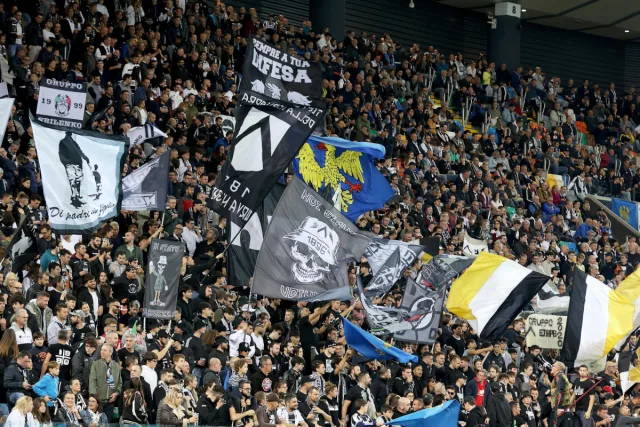
Football fandom is a unique emotional investment, a blend of local pride, shared history, and an almost irrational devotion that binds communities and individuals to their teams.
Fans are the lifeblood of football. They provide the atmosphere, the unwavering support through thick and thin, and often, a significant portion of a club’s identity and revenue. While supporting a perennial champion has its obvious rewards, being a fan of a “middle team” or a provincial club like Udinese carries a unique kind of pride. It’s about celebrating the hard-fought victories even more, cherishing the moments of unexpected brilliance, and finding immense satisfaction in upsetting the established giants. There’s an authenticity and a grittiness to it. Victories are not just expected; they are earned and deeply savored. The connection often feels more personal, less diluted by global commercialism. It’s a conscious choice to belong to a smaller, tighter-knit family, where every goal feels more significant, and every successful season is a testament to punching above one’s weight.
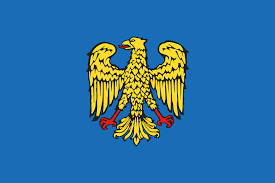
To truly understand Udinese, one must understand that it is more than a club; it is a symbol for an entire region: Friuli. For over a century, the black and white shirts have represented the hardworking, innovative, and proudly distinct character of the Friulian people on the national stage. When Udinese, a “provincial club”, challenges the giants of Milan and Turin, it is the entire region punching above its weight and demanding respect. The club’s identity is inextricably linked to its homeland, a bond personified by Giampaolo Pozzo himself—a local man whose love for his team is rooted in his love for his home. For any new owner, respecting this deep, almost sacred connection to the Friulian territory and its people is essential to becoming a successful custodian of the club’s legacy.

Being a fan of a world-renowned “talent factory” comes with a unique emotional bargain. There is immense pride in watching a young, unknown player arrive in Udine and blossom into a global superstar before your very eyes. For a few seasons, you are in on a secret that the rest of the football world has yet to discover. We saw it with Alexis Sánchez, with Cristián Zapata, and with so many others, some will also become captains like De Paul. But that pride is always tinged with the bittersweet knowledge that their success is a ticking clock, counting down to their inevitable departure. We celebrate their goals for us, and then we watch with a complicated mix of pride and sadness as they score goals for Europe’s giants. This constant cycle of discovery, love, and loss is the price of the club’s sustainable model. It is also what made the loyalty of a player like Antonio Di Natale—the man who broke the cycle—so profoundly meaningful and legendary to every single fan

Udinese fans have ridden an emotional rollercoaster, especially during the “golden years with Guidolin” and the exciting football of the Spalletti and Pasquale Marino eras before it. The team played exhilarating football, consistently challenged for European spots, and produced incredible talents. The unquestionable icon of this era was Antonio Di Natale, a player who rejected big-money moves to stay and become the club’s all-time leading scorer and a symbol of loyalty. Fans reveled in his genius and the team’s attacking prowess.
That period under Guidolin was a perfect storm of talent and execution. The attack was electric, built around the legendary partnership of Antonio Di Natale and a young, explosive Alexis Sánchez. The spine of the team was formidable, with Samir Handanovič in goal, a defensive wall of Medhi Benatia and Cristián Zapata, and a dynamic midfield powered by Gökhan Inler, Kwadwo Asamoah, and Mauricio Isla. This team feared no one. The memory of the 7-0 away thrashing of Palermo in February 2011, where Di Natale scored a hat-trick and Sánchez scored four, is etched in the mind of every fan. It was a time when every match felt like an opportunity for magic, including famous victories against the league’s giants.
This success led to the dream of the Champions League, but these dreams also brought profound heartbreak. The playoff against Arsenal in 2011 was a bitter pill. After a narrow first-leg loss, Udinese played with immense heart in the return, only to be denied. A year later, in 2012, after selling stars like Sánchez and Inler, the team achieved the impossible again. Led by the superhuman efforts of “Totò” Di Natale, who did what no one else could, they clinched third place against all odds and qualified for the playoff against S.C. Braga. That tie was even more agonizing. After two 1-1 draws, it went to a penalty shootout. The dream was shattered in the cruelest way possible, with Maicosuel’s infamous ‘cucchiaio’ penalty attempt saved. These near-misses, the “what if” moments, are seared into the collective memory of the fans, making them feel incredibly unlucky but also fiercely proud of how close their team came.
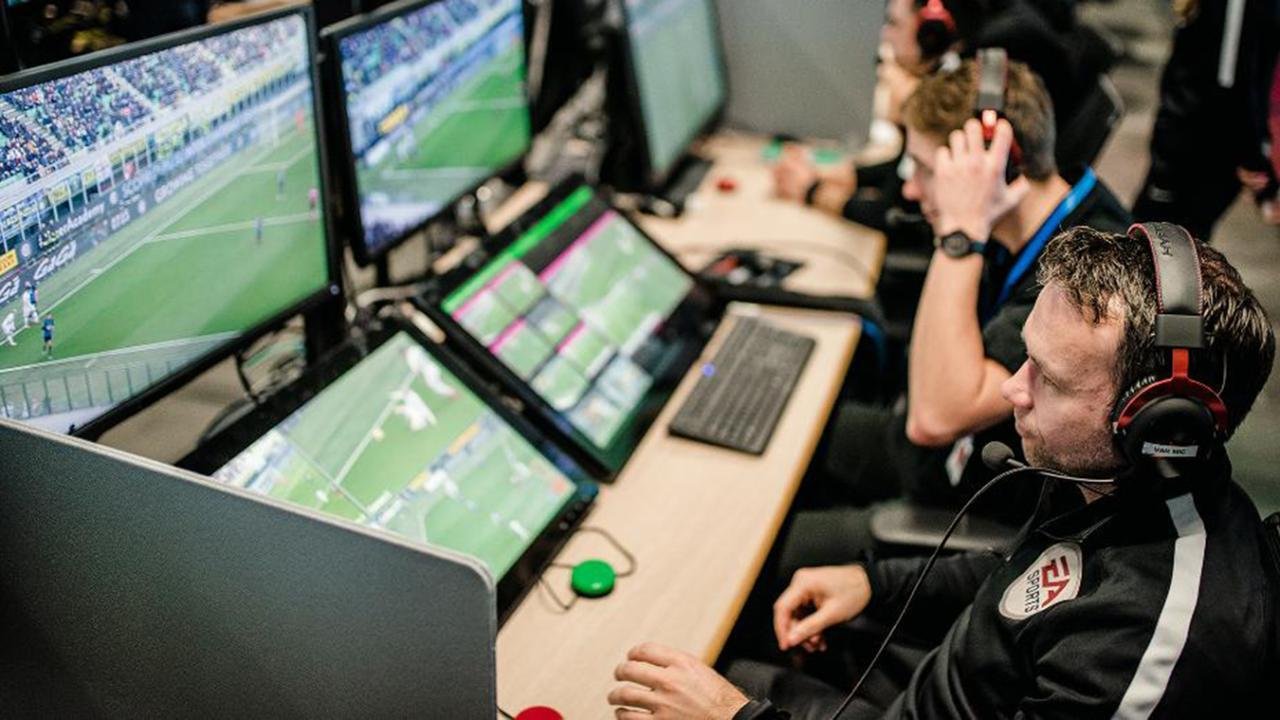
In recent years, a persistent feeling of injustice has crept into the minds of many Udinese supporters, particularly concerning refereeing decisions and the application of VAR. This feeling is not just paranoia; it appears to be backed by startling statistics. For instance, a 2023 CIES Football Observatory report that analyzed penalty trends across 31 top European divisions between 2020 and 2023 highlighted a significant disparity. The study found that Udinese was awarded a penalty on average only once every 1,518 minutes of play—the longest interval of any team in Europe’s top five leagues.
For fans, this statistical reality translates into a potent sense of frustration, where every marginal call feels destined to go against the team. This frustration is compounded by a theory that the Pozzo family, while respected, are perhaps “too nice” or not vocal enough in challenging questionable refereeing in the corridors of power. The belief is that without a massive media footprint or a colossal global fanbase, referees might feel less pressure when making marginal decisions against Udinese compared to the giants of Italian football.

When the controversial European Super League proposal emerged, threatening to create a closed shop for elite clubs and undermine domestic leagues, the Pozzo family and Udinese were among those who voiced their strong opposition. This stance was widely appreciated by Udinese fans and the broader football community. It aligned perfectly with the values of meritocracy and the importance of “winning against the odds” that a club like Udinese naturally upholds. It was a moment where the club stood for the soul of football against a purely commercial power grab, reinforcing the idea that Udinese, despite its business-oriented model, still cherished the traditions and competitive fabric of the sport.