
Abdullah Alabdulhadi @simple_abod
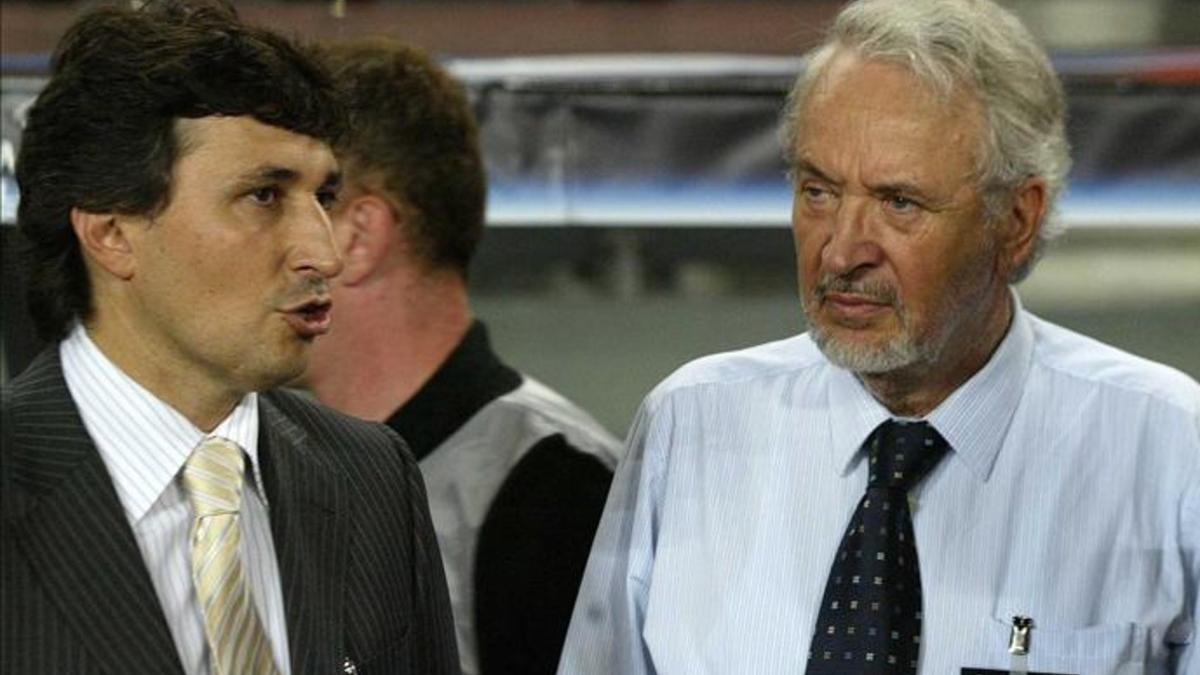
The Udinese and Pozzo family business model is a fascinating case study in modern football, often admired, sometimes criticized, but undeniably unique in its sustained success in identifying and developing talent.
At its heart, the Pozzo model was the real-life version of the Master League strategy that I had fallen in love with as a boy. The philosophy, which truly took flight after the Bosman ruling in the mid-1990s allowed for greater player mobility, was revolutionary in its simplicity and discipline. For decades, its core has been a highly sophisticated and widespread scouting network that was ahead of its time, pioneering its own in-house video analysis system to record matches globally—a concept that existed even before modern platforms like Wyscout were created. This allowed them to sign future stars like Alexis Sánchez at a low cost. This innovation continues today, with the club recently partnering with data analytics firm Driblab to enhance its scouting with advanced metrics on over 200,000 players.
The method is simple: buy low, develop the player by providing a platform in Serie A, and then sell high for a significant profit. This revenue is then reinvested directly back into the scouting network and club infrastructure, creating the self-sustaining project I so admired. While some critics argue this model prioritizes profit over on-field ambition, its success is a testament to the philosophy I came to cherish: that true success lies in the “beautiful struggle”. It has kept Udinese competitive and consistently in Serie A since the 1995-96 season, a remarkable feat of “winning against the odds”

The Pozzo model later evolved beyond a single club. The term “empire” came into play as the family acquired other clubs, notably Watford in England and, for a period, Granada in Spain. This multi-club ownership created powerful synergies: players could be moved between clubs to aid their development, adapt to different leagues, or maximize their market value. Promising talents scouted by the network might start at Udinese, move to Watford if they suited English football, or vice versa. This created a broader platform for the talent pipeline and offered more avenues for player trading and development.
The Player Carousel in Action
The synergy was not just theoretical; it was a constant flow of talent. Dozens of players moved between the clubs, particularly in the early years of Watford’s acquisition.
The Biggest Missed Opportunity
From my perspective, while the model was brilliant financially, the Pozzo family missed the biggest opportunity of all. I believe they could have used this multi-club system more effectively with a clearer, unified vision for each club, perhaps by implementing a similar tactical model and a linked 3-5 year plan.
More importantly, the focus on asset management came at the cost of uniting the fans. In the early years, Udinese fans cheered for Watford’s promotion, feeling that “our united project can be bigger.” However, as the focus seemed to shift more towards the London club, many Udinese fans grew resentful. Conversely, when the Watford project had a setback, and players were moved to Udine, it often felt to the English fans like their best assets were being stripped for the benefit of the Italian club, causing them to hate Udinese.
A truly successful “empire” would have merged the fan bases, creating a larger, international family. Doing the concept right would have been like acquiring a team with all its resources, including its fans. This, for me, was the biggest missed opportunity of the Pozzo era at Watford.
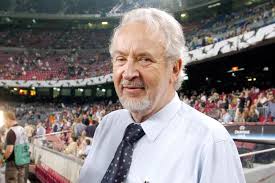
To understand the essence of the Udinese model, one must first grasp the role of its family patriarch, Giampaolo Pozzo. To many in the football world, especially the giants of Italian football, he was often seen as a tough, stubborn negotiator. But to the fans of Udinese and the people of Friuli, he is the quintessential “Fan President.” His long tenure, beginning in 1986, has been marked by a deep and visible passion for the club. He has experienced the highs of European qualification and the lows of relegation battles, often displaying an emotional connection that resonates with supporters.
Beyond Udine, Giampaolo Pozzo is viewed through different lenses across the football world. For the giants of Italian football, like Juventus, he was a famously robust and unyielding negotiator who would not be bullied on price. For other small and medium-sized clubs, however, his model of building a “sustainable football project” and consistently “winning against the odds” likely served as an inspirational blueprint for how to compete with far greater resources. His legacy with coaches and players is perhaps even more telling. His presidency oversaw beloved and successful coaching eras, from Luciano Spalletti to the “golden years with Guidolin”. But it is the loyalty he inspired that stands out most. His environment fostered a culture where a club icon like Antonio Di Natale would famously turn down a massive salary increase to remain at Udinese, becoming a player who “always brought me happiness”.
His management style, particularly in earlier years, could be seen as more hands-on and emotionally driven than that of a typical owner. The transfer saga involving the brilliant midfielder Gaetano D’Agostino is a case in point. After stellar seasons, D’Agostino was heavily linked with a move to Juventus. Juventus, reportedly overconfident they could secure the player on their own terms because they had the player’s support, found themselves mistaken. Giampaolo Pozzo refused to be bullied or back down on his valuation. He made a stand for the respect of the club’s colors, even if it meant risking the relationship with the player. This showcased a president whose passion could sometimes override pure business pragmatism—he was willing to hold onto his stars if he felt their value to the team, and the respect shown to the club, was greater than the fee being offered.
Ultimately, Giampaolo Pozzo has always been the man who loves his homeland team. I believe that if you noticed a difference in negotiations between him and his son, it is because of this. If I know him right, I am certain he would have asked for guarantees that the Udinese project would continue to grow, so he could feel at peace knowing that even by selling his shares, he had done his best to ensure the club’s well-being for years to come.
I could write a full book about him, but in short, he is a Fan first, then an owner—the very model of stewardship I one day hope to become. My admiration for him is so deep that it once led me down an unexpected path.
Years ago, feeling that Giampaolo Pozzo—or “Pozzo the father,” as I love to call him—was not as well-known as he deserved to be, I created a fan page for him on Facebook. I made it clear it was a fan page and began posting information about his achievements. The page soon took on a life of its own. I started receiving private messages in different languages from young players around the world, each asking for a chance to get a trial with Udinese. More surprisingly, I even received messages from other club owners, offering to make their teams part of the Pozzo “empire.” It was a stunning testament to his global reputation.
I posted about these messages on Twitter, mentioning the official Udinese account. This prompted the club to issue a formal statement clarifying that Giampaolo Pozzo has no personal Facebook page. While I felt a little sad, as I had always been transparent that it was a fan page, I was mostly happy. My little project had been noticed by the club I loved.

If Giampaolo is the passionate patriarch, his son, Gino, is the enigmatic architect of the modern football enterprise. With a shrewd and fox-like business mind, he was the driving force during Udinese’s golden years and the expansion of the multi-club “empire”. He has been in full control of Watford and, in recent years, the primary decision-maker at Udinese. Yet, he is also a shy figure who avoids interviews, which has cultivated a mysterious aura around a man with a different way of thinking about sport.
This private nature has also made him a lightning rod for criticism from two different fanbases. He has been a victim of his lack of public appearances, with fans in both Udine and London tending to blame him for any project failures, each group accusing him of focusing more on the other team. I have often found myself defending him. Yes, mistakes have been made in coaching choices recently, and at times, the budget for new players has seemed too small, leading to a lack of results. But his is a difficult job that seems much easier from afar.
His challenge was always how to manage two demanding projects at once, but it wasn’t for a lack of trying. He attempted different strategies, such as appointing the high-profile Pierpaolo Marino as Technical Director for Udinese, so he could focus more on Watford. Although they ultimately had a difference of opinion that led to Marino’s contract not being renewed, Marino’s success in that period, highlighted by the masterful signing of Nahuel Molina as a free agent who became a huge asset, was a testament to the strategy. More recently, he has appointed Nani as Technical Director to oversee both clubs, another attempt to unify the vision.
Thinking about the Molina example makes me question my own biases as a fan. It is easy to credit a success like that to a technical director while placing the blame for poor coaching choices solely on Gino. I believe he has done a great job that made the Pozzo family what they are today, and that no one could do his job better with the financial resources he has. His presence in Udine has always signaled to the players that there is no room for error. If I were to ever speak with him, the first part of our conversation would be that of a student asking his teacher questions, hoping to learn more from my idol before the second part of the conversation began: the fan talking to the man who decides everything.
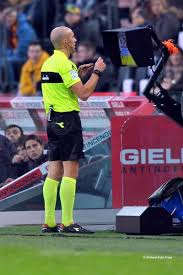
The Pozzo family’s legacy of innovation extends beyond their business model and into the very fabric of the game itself. They consistently championed the use of technology to improve the sport long before it was fashionable or required.
Udinese’s home stadium was among the first in Italy to be fully equipped for goal-line technology, a significant investment at the time that demonstrated a commitment to fairness. Moreover, the club and the Pozzo family were known to be early and vocal proponents of the Video Assistant Referee (VAR) system, recognizing its potential to bring greater integrity to the game well before it became a global standard.
This willingness to invest in and adopt new technologies showcased a forward-thinking vision aimed at improving the sport for everyone. It established Udinese not just as a talent factory, but as a club committed to the progress and integrity of football itself.
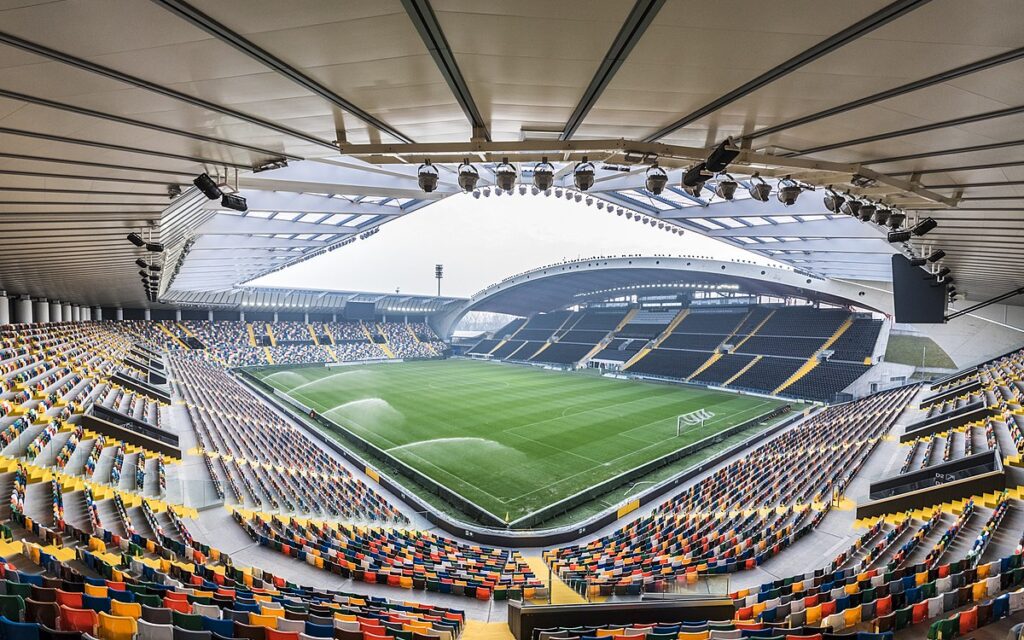
In modern football, where capital is often prioritized for player acquisitions for a quicker return on investment, long-term spending on club facilities is a path many owners avoid. This is what makes the Pozzo family’s commitment to infrastructure particularly noteworthy, as it stands in stark contrast to the norm.
This was most evident in Udine. The Pozzo family oversaw a complete redevelopment, transforming the old Stadio Friuli into a state-of-the-art, privately-owned facility, making Udinese one of only a handful of clubs in all of Italy to actually own its stadium. This fact alone speaks volumes about their long-term vision. The resulting design is a covered, rectangular stadium that brings fans close to the pitch, offering excellent sightlines and modern amenities. Furthermore, the stadium was built with a demonstrable commitment to environmental sustainability, incorporating numerous eco-friendly features, including solar panels and energy-efficient systems, reflecting a responsible and modern business ethos.
This philosophy was not limited to their Italian club. Upon acquiring Watford, they demonstrated a similar commitment at Vicarage Road. Instead of neglecting the aging ground, they invested significantly. They oversaw the construction of the brand-new Graham Taylor Stand, replacing a three-decade-old structure and adding thousands of modern seats and facilities. Further investments included installing a state-of-the-art Desso GrassMaster playing surface to rival the best pitches in Europe and numerous other upgrades to the ground. This was a clear signal that their vision included building lasting, tangible assets for the club and its fans.
This consistent focus on stadium excellence and sustainability at both clubs—coupled with their forward-thinking embrace of technology—is a testament to a desire to build not just successful teams, but responsible, modern, and forward-looking organizations. The stadiums are more than just homes; they are a concrete legacy of their vision.